As an expert on bullfighting and a lover of this age-old art, I think it is crucial to address an aspect of this world that is often overlooked yet fundamental: what happens to the bulls after the corrida. Beyond the controversies and ethical debates, it is interesting to understand what becomes of these noble animals once they have fulfilled their destiny in the ring.
Contrary to what some might imagine, fighting bulls are not incinerated or buried after the corrida. Instead, they continue their journey towards another important aspect of local culture: gastronomy. In many regions where bullfighting is rooted in tradition, the toros end up in the butcher’s shops of the town where the corrida took place.
It is important to stress that this practice is not driven solely by utilitarianism; it is also imbued with a certain form of respect for the animal. For many, it is a way of extending the life and legacy of the fighting bull in a meaningful way, by making it a central part of the local culinary culture.
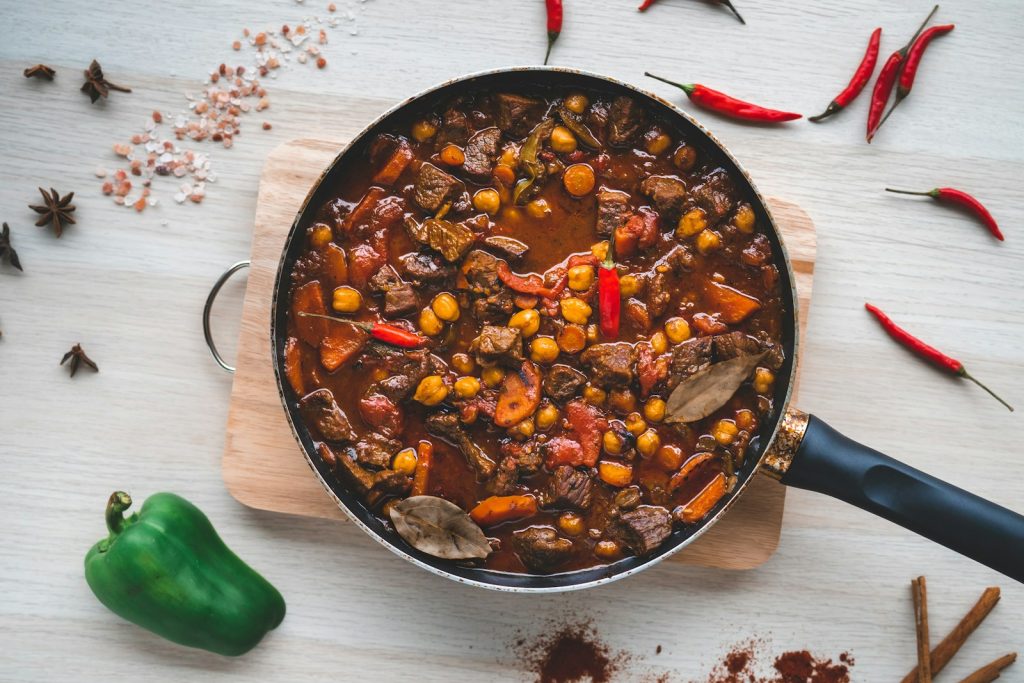
One of the most iconic dishes to come out of this tradition is the famous “gardiane de taureau” (bull stew). This delightfully tasty dish is a tribute to the strength and robustness of the bull. So here is the recipe for this culinary speciality, which brings together the art of bullfighting and the art of cooking:
Gardiane de Taureau recipe:
Ingredients:
- 1.5 kg of bull meat, cut into cubes
- 1 bottle of Costières de Nîmes red wine
- 2 onions, finely sliced
- 4 garlic cloves, crushed
- 2 sprigs of fresh thyme
- 2 bay leaves
- 2 tablespoons of olive oil
- 200g of smoked bacon lardons
- 200g of button mushrooms, sliced
- Salt and freshly ground black pepper
- 2 tablespoons of tomato purée
- 2 tablespoons of flour
- 500ml of beef stock
- Chopped fresh parsley to garnish
Method:
- In a large bowl, marinate the bull meat with the red wine, onions, garlic, thyme and bay leaves. Leave to marinate in the fridge for at least 4 hours, or even overnight.
- Drain the meat and set the marinade aside. In a large casserole dish, heat the olive oil over a medium heat. Add the lardons and fry until golden.
- Add the mushrooms and sauté for a few minutes. Remove the lardons and mushrooms from the casserole and set aside.
- In the same casserole, add the drained bull meat and brown it on all sides. Sprinkle with flour and stir well.
- Add the tomato purée and stir until the meat is well coated. Pour in the reserved marinade and the beef stock. Season with salt and pepper to taste.
- Bring to the boil, then reduce the heat and leave to simmer gently for around 2 hours, or until the meat is tender and the sauce has thickened.
- Return the reserved lardons and mushrooms to the casserole and simmer for a further 30 minutes.
- Serve hot, sprinkled with chopped fresh parsley, with rice or roast potatoes.
In this way, the local culinary tradition honours the life and sacrifice of the fighting bull, turning its strength into a delightfully memorable dish. Whether or not you are a keen admirer of bullfighting, it is important to recognise the deeply rooted cultural impact of this practice, both in the ring and on the plate.