In an impressive show of strength and unity, Mexico City was the scene of a massive march on Thursday morning, marking the fifth edition of a mega-march dedicated to defending Mexican cultural traditions. This large-scale event brought together thousands of people from all walks of life, united under a single banner: the protection of their cultural heritage.
An unprecedented mobilisation for Mexican culture
The streets of Mexico City’s historic centre resounded to the footsteps of the defenders of tradition. Bullfighting aficionados, cockfighting enthusiasts and representatives of charrería (traditional Mexican horsemanship) turned out in force to make their voices heard. The march ended symbolically with the handing over of a petition at the National Palace, the seat of Mexico’s executive power.
The main message carried by the demonstrators was clear: firm opposition to the ban on public shows involving animals. The diversity of the participants reflected the scale of the concerns, with farmers from various states of the Mexican republic, horse riders, amateur bird breeders and dog breeders, as well as professionals such as vets and biologists.
“Live Free”: a rallying cry for tradition
Under the evocative motto “Live Free”, the procession brought together leading figures from the bullfighting world. At the head of the movement was matador Isaac Fonseca, accompanied by Marbella Romero and Manuel Sescoose, backed by the promoter Tomasina and many toreros. Together they called on the federal authorities to drop initiatives aimed at restricting practices regarded as an integral part of Mexico’s cultural heritage.
The demand went beyond simply preserving the shows: the demonstrators highlighted the crucial importance of these traditions to the identity of indigenous peoples. They called for a permanent consultation with the sectors concerned, stressing the major economic role of fairs and “palenques” (cockfighting arenas), which generate countless direct and indirect jobs across the country.
Mexico City’s particular situation in the face of restrictions
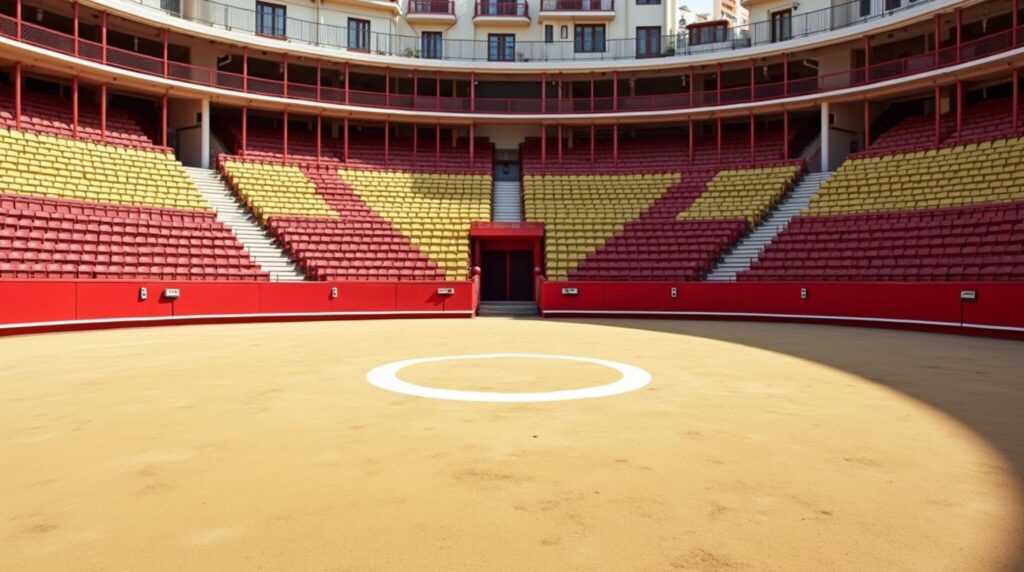
Alongside this mass mobilisation, the management of the Monumental de Mexico, the capital’s iconic bullring, issued a statement announcing the suspension of corridas and novilladas at the venue. The decision follows restrictions imposed in the Federal District and marks a turning point in the capital’s bullfighting history.
Nevertheless, those in charge are keen to point out that this situation does not spell the end of bullfighting in Mexico. “The corrida is still very much alive in many states and major cities across the country”, they say, with a calendar of bullfighting events that remains well stocked for the months ahead.
A cultural and economic issue
Beyond the ethical debate surrounding these traditional practices, the mobilisation highlights the considerable economic stakes. Bullfighting, cockfighting and charrería are not only a cultural heritage, but also a source of income and jobs for thousands of Mexican families.
The defenders of these traditions point out that their disappearance would affect an entire ecosystem: breeders, craftspeople, restaurateurs, hoteliers and many other trades that revolve around these cultural events. That is why they are calling for a balanced approach that takes into account both animal welfare concerns and the preservation of a centuries-old heritage.
As Mexico continues to navigate between modernity and tradition, between global concerns and local identity, the question remains open: how can a country preserve its cultural essence while adapting to changes in society? The answer will determine not only the future of Mexican bullfighting, but also that of many other cultural expressions that shape the nation’s identity.