The bull is one of the most iconic symbols of Spanish culture, representing both strength and nobility. In the corrida, one figure in particular is celebrated and revered within the Spanish bullfighting tradition: the Noble Bull.
What is the Noble Bull?
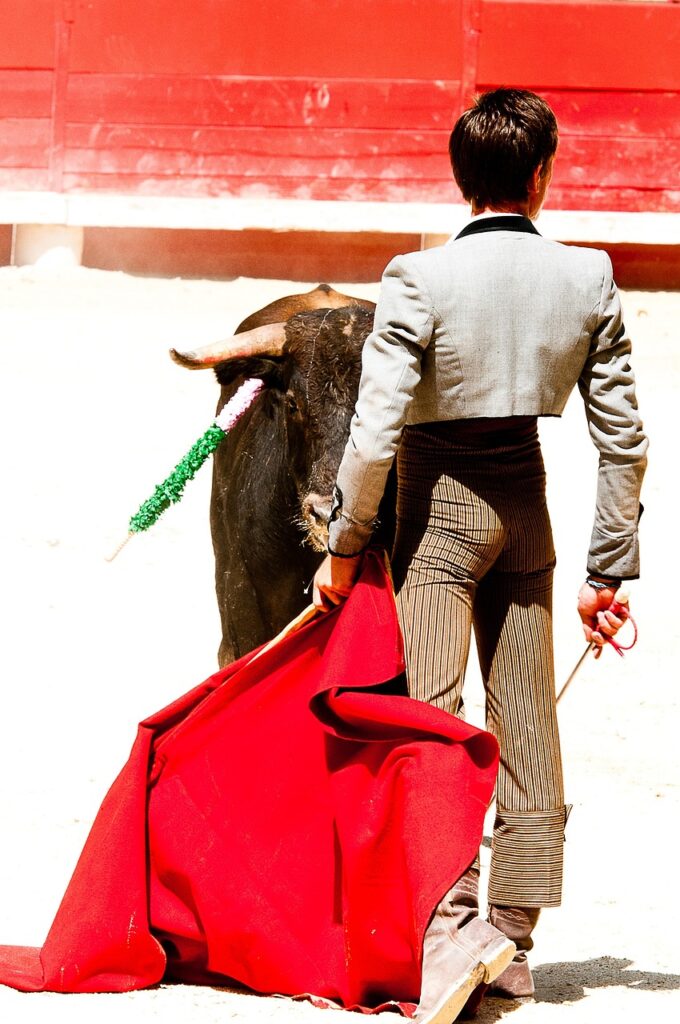
The Noble Bull is a bull renowned for its behaviour during corridas. Unlike other bulls that are sometimes more aggressive or harder to control, it has a more harmonious relationship with the matador. While retaining its courage, it behaves in a way that allows the torero to show his skill and dexterity with greater control and elegance. The noble bull is admired not only for its temperament, but also for the balance and grace it brings to the corrida. A corrida reaches its peak when the bull shows nobility in the ring, allowing the matador to perform his feats with greater virtuosity. That is why the noble bull is considered one of the greatest sources of pride in the Spanish bullfighting tradition.
The history of the bull in Spanish culture
Spain’s relationship with bulls goes back several centuries, and although the corrida is not practised in every region of the country, the bull holds a central place in Spanish life. Since the Middle Ages, it has symbolised courage, struggle and honour [1]. It is present at many festivities, such as the running of the bulls in Pamplona, where the bulls charge through the streets, chased by brave participants.
The concept of “nobility” in bulls has been forged over generations of breeders who raised them for the ring. Breeding these animals is an art that requires time, patience and dedication, as not all bulls have the qualities needed to be considered noble.
The noble bull at the national festival
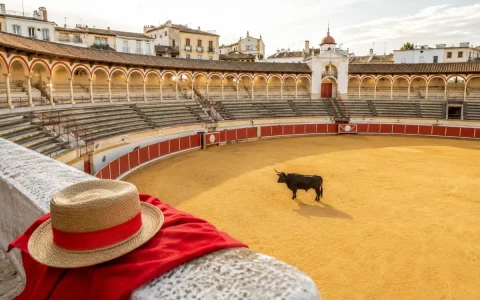
The bull, a noble animal, also plays an essential role in Spain’s “Fiesta Nacional”, the name given to the corrida in many circles. In the bullrings, toreros have the chance to show their skill through a series of stylised and complex movements, while the bull, the true star of the event, puts its courage and stamina to the test.
The figure of the Noble Bull is celebrated at many of Spain’s most important corridas, notably the San Isidro Feria in Madrid and the April Feria in Seville. These festivities attract thousands of tourists and Spanish bullfighting fans from all over the world, who appreciate the skill of the toreros and the beauty of the bull in all its splendour.
Controversy and debate
Despite its cultural importance and long history, the corrida and the treatment of the bull remain the subject of heated debate in Spain and in many other parts of the world. Supporters of the tradition defend the corrida as an art form representing the struggle between man and nature, while its critics argue that it is a cruel and inhumane practice towards animals.
Although the figure of the Noble Bull remains a symbol of Spain’s cultural richness, the controversy surrounding the corrida is still very much alive, and many people wonder whether this tradition should continue in the 21st century.
Conclusion
The Noble Bull is much more than a mere element of bullfighting in Spain; it is an emblem of the country’s history, culture and passion. It represents the deep bond between man and animal and remains a pillar of Spanish traditions. Despite the diversity of opinions on bullfighting, there is no doubt that the Noble Bull will always hold a special place at the heart of Spanish culture.
To find out more about Spain’s rich festivals and traditions, as well as Spain and Europe, follow the blogs and social media of La Feria de Nimes.