Bullfighting tradition finds itself once again at the heart of a national controversy. The RDPI group (Rassemblement des Démocrates Progressistes Indépendants) in the Senate has just tabled a bill aiming to ban under-16s from bullrings. The text, due to be examined on 14 November, has reignited a heated debate between defenders of tradition and opponents of the corrida.
A new legislative offensive against bullfighting
François Patriat, president of the RDPI group and a former minister, has officially submitted bill no. 475 to the President of the Senate, Gérard Larcher. The initiative follows in the footsteps of earlier attempts, notably those of Aurore Bergé in 2019 and Aymeric Caron in 2022 in the National Assembly, neither of which succeeded.
The RDPI group, which has 20 senators and two affiliated members in a chamber of 348, is thus trying to revive the debate on the presence of minors in bullrings. The move comes at a time when animal welfare is taking up an increasingly prominent place in public debate.

The legal and constitutional arguments of its defenders
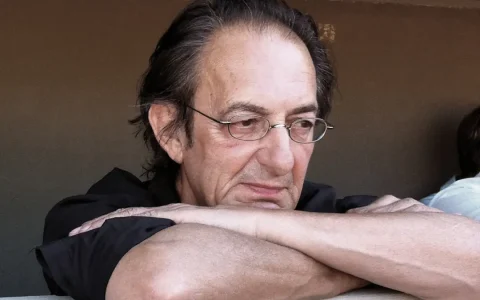
The Union des Villes Taurines Françaises (UVTF) was quick to react through its spokesman, André Viard. “We have been working for more than a year to refine our arguments, because we knew full well that new attacks would arise,” explains the former torero. The UVTF has already sent a letter setting out its arguments to the Élysée, to several ministers and to senators.
The organisation highlights several important points of law:
- The contradiction with the Declaration of the Rights of the Child and its principle of non-discrimination
- The breach of the constitutional principles of equality and secularism
- Non-compliance with the Treaty on the Functioning of the European Union
- The violation of local authorities’ right to differentiation (organic law of 19 April 2021)
The mobilisation of local officials and bullfighting areas
Julien Plantier, deputy mayor of Nîmes, illustrates the strong mobilisation of elected officials in bullfighting areas: “As an elected official, as a Nîmes native, but above all as a father, I can only oppose this bill.” He puts forward several key arguments:
- Preserving local cultural heritage
- Respect for parental authority
- Passing on traditional values
- Defending individual freedoms
Young aficionados take a stand
The Jeunesse Taurine Française has been particularly prominent in this debate, taking a firm and well-argued position. In a detailed statement, the organisation sets out several key points:
- The lack of scientific evidence of any possible trauma
- The importance of passing traditions down the generations
- The right of families to carry on their traditions
- The refusal to stigmatise aficionados
“Our young aficionados grow up in a healthy family environment, where respect for tradition goes hand in hand with respect for the animal,” the organisation stresses.
Educational and cultural implications
The bill raises fundamental questions about the role of the State in bringing up children. For supporters of the corrida, this tradition conveys essential values:
- Courage in the face of adversity
- Ethics and respect for tradition
- An understanding of the cycle of life
- Attachment to a regional culture
A significant economic and social impact
Bullfighting towns are also worried about the economic repercussions of such a measure. The corrida generates significant economic activity in these regions:
- Cultural tourism
- Keeping craft traditions alive
- Bringing town centres to life
- Preserving traditional breeding ranches
Historical and legal precedents
It is worth noting that similar attempts have already failed in the past. In 2019, the En Marche group itself halted a comparable initiative, acknowledging the “potential danger of a debate that was raising a great deal of opposition because of its societal implications.”
Towards a crucial debate
14 November is shaping up to be a key date for the future of French bullfighting. Defenders of this centuries-old tradition are preparing for a debate that will go far beyond the simple question of minors’ access to bullrings, touching on the very foundations of cultural and educational freedom in France.
André Viard sums up what is at stake: “Beyond the cultural, economic and ecological aspects… we are taking the debate to the legal and constitutional level.” An approach that reflects the complexity of a subject in which tradition, fundamental rights and changing sensibilities are intertwined.
For aficionados, this new legislative battle is about far more than a simple question of age: the very future of a thousand-year-old cultural tradition is at stake.