
Between land and sea, the Camargue coast fascinates with its rich traditions, unspoilt landscapes and strong identity. From Le Grau-du-Roi to Saintes-Maries-de-la-Mer, visitors discover a stretch of coastline where village festivals set the rhythm of local life, where horses and bulls are part of the everyday scenery, and where wild beaches offer untouched expanses that are rare on the Mediterranean coast. Popular for its authenticity, the area offers a real journey into Camargue traditions, with easy access to one of the largest natural beaches in Europe.
Where to stay on the Camargue coast?
To make the most of everything this destination has to offer, choosing where to stay matters. Le Grau-du-Roi appeals with its lively fishing-port atmosphere, while Saintes-Maries-de-la-Mer embodies the Romani and Provençal soul of the region, with its white-washed lanes and unique religious heritage. Other towns such as Aigues-Mortes, with its medieval ramparts, also make good bases.
To plan a stay on the Camargue coast, you need to take into account what makes each place different, as well as the major events that bring the region to life through the seasons. Accommodation ranges from traditional cabanes and manades converted to welcome visitors to hotels and campsites near the large natural beaches. This variety means everyone can find a setting that suits them, whether they are looking to immerse themselves in local traditions or to stay right next to the great outdoors.
Camargue traditions: festivals, manades and rituals handed down
Camargue traditions come to life above all during spectacular festivals that bring locals and visitors together around age-old rituals. These events punctuate the year, showcasing bull culture, local music, dance and crafts. Among the highlights, the fête votive (village festival) takes pride of place, combining courses camarguaises, abrivados and festive gatherings. This calendar of festivities shapes local social life and every year draws enthusiasts who come to discover these unique customs.
The manades: the beating heart of Camargue life
In the heart of the Camargue, the manade remains the basic unit of traditional livestock farming. Home to hardy white horses and iconic black bulls, the manades are inseparable from the image of the region. Visiting a manade lets you watch the gardians at work, the local cowboys who keep an unchanging know-how alive. Beyond folklore, the manade is a living place, run with respect for the environment and for the natural cycles of the Camargue.
Some ranches regularly open their gates to show what makes their herds special and to offer themed meals built around Camargue cuisine, as well as demonstrations of cattle sorting and equestrian games. Some stays even include discovering the surrounding wildlife, for an immersive approach to the Camargue and a fine understanding of the local ecological balance.
Bull festivals and traditions: rhythm and intensity
The course camarguaise is very different from Spanish corridas. Here the bull is not killed; the aim is to snatch the attributes fixed to the animal’s head, which takes courage, speed and agility. These contests liven up the arenas of Le Grau-du-Roi as well as Saintes-Maries-de-la-Mer, and bring together enthusiasts and curious onlookers alike. The atmosphere is electric, driven by the commitment of the raseteurs and the fervent support of the crowd.
During the big local festivals, abrivados and bandido also mark the calendar, with the gardians driving the bulls to or from the pastures through the streets or along the beaches. These events involve the whole population, kept alive by a strong oral tradition and the commitment of local associations in the surrounding towns. They reflect a deep attachment to bull culture and to the shared values of the region.
Wild beaches and unspoilt nature around L’Espiguette
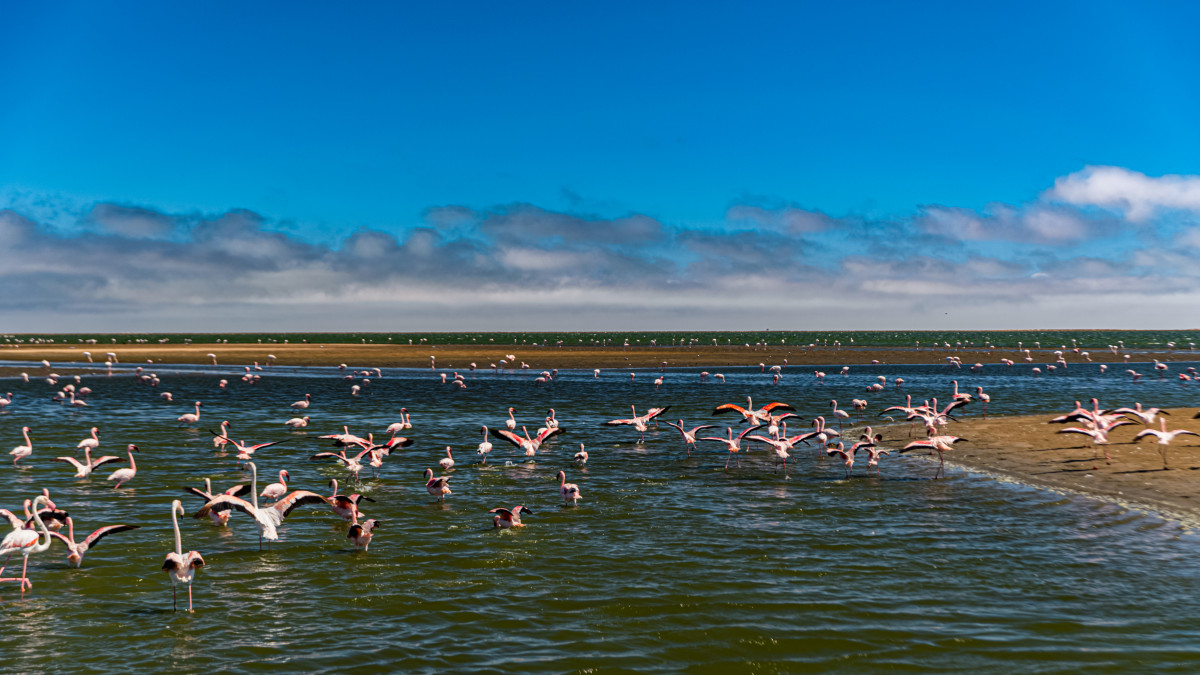
L’Espiguette beach is one of the most iconic sites in the south of France. Its miles of fine sand, forming an impressive line of dunes, appeal to lovers of wide-open spaces looking to escape the bustle of the city. A protected natural area, it is home to many species of migrating birds, which also makes it a well-known stop for birdwatchers. The beach offers an experience that is rare on this coast, ideal for quiet contemplation and for discreetly observing its biodiversity.
In this remote area you can go walking or horse riding, look at the typically semi-arid plants or enjoy water sports in ideal conditions. The low level of building helps preserve a feeling of vastness that is rare on Mediterranean shores, sometimes with not a single building in sight. L’Espiguette has become a strong symbol of the Camargue’s ability to protect its natural assets while welcoming responsible tourism.
Modern and varied activities on the Camargue coast
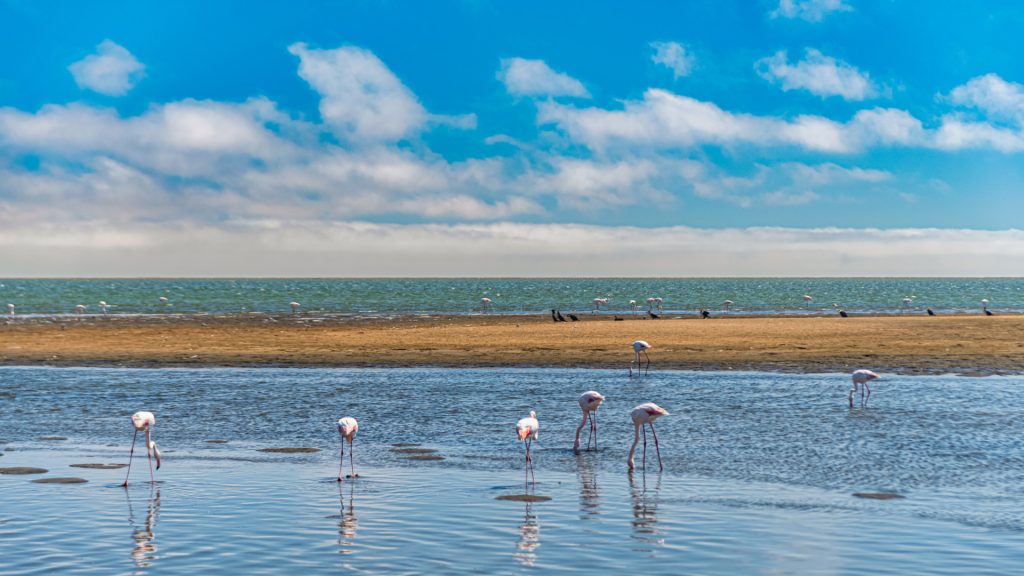
The lively culture should not overshadow the wide range of activities on offer during a beach stay: bike rides on marked trails, kitesurfing in sheltered lagoons, watching colonies of pink flamingos and photography trips attract a varied public, usually mindful of protecting the local ecosystem. These modern activities blend in with the environment without spoiling the spirit of the place.
Over time, the Camargue coast has kept its character while adapting some of its tourist uses. This delicate balance between celebrating its roots and opening up to new things shapes the visitor experience today: everyone finds what they need to make lasting memories, in contact with powerful nature and an authentic culture. The Camargue remains a destination like no other, offering both the emotion of its traditions and the freedom of wide-open spaces.


