The corrida, a bullfighting tradition deeply rooted in Spanish, French and Latin American culture, features toros selected for their fighting qualities and body mass. The question of these animals’ weight is crucial for breeders and aficionados alike, as it directly affects how the fights unfold and how they are perceived. In this article, we will explore the different stages in the life of a fighting bull and the weight criteria that apply to them.
The different names by age
Fighting bulls go by several names over the course of their lives, depending on their age:
- Choto: an animal under one year old.
- Añojo: a young bull that has turned one.
- Eral: a young bull over one and under two years old.
- Becerro: a young bull from two to under three years old. This term can also refer to añojos and erales.
- Utrero (or Novillo): a young bull aged three to four, used in novilladas (corridas for young toros and toreros (novilleros)).
- Toro: a bull aged four or over, intended for the main corridas.
The regulation weights of fighting bulls
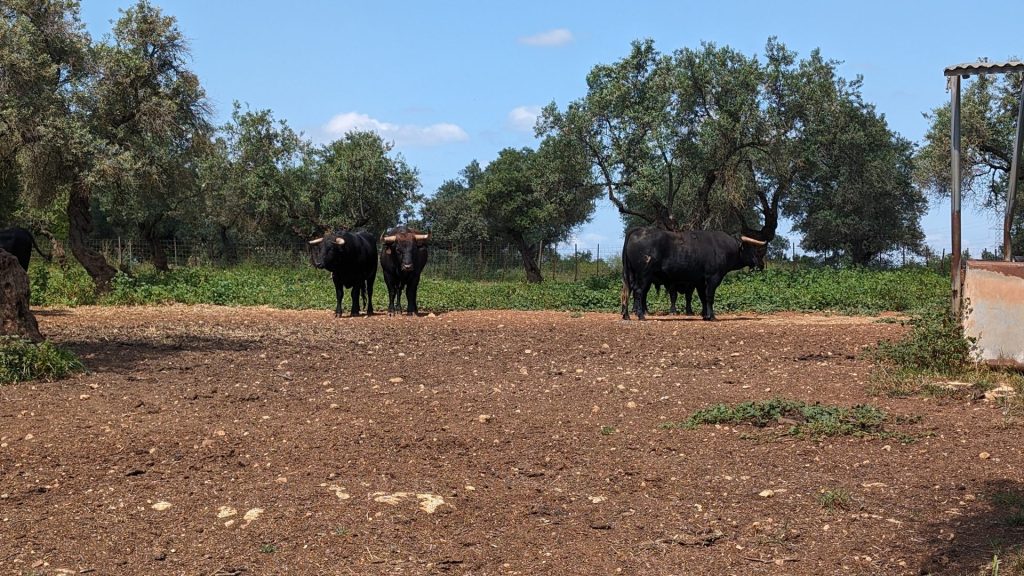
Fighting bulls are medium-sized cattle, standing around 137 cm at the withers. Adult toros have a modest weight of around 500 kg.
Bullfighting regulations set minimum weights for toros according to the category of the bullring:
- Corrida: minimum weight of 460 kg in a first-category bullring and 435 kg in a second-category bullring.
- Novillada with picadors: maximum weight of 500 kg in first- and second-category bullrings.
- Novillada without picadors and Becerrada: less strict weights, but the animals are generally lighter.
Historically, until 1917, fighting bulls had to weigh at least 525 kg. Today, bulls are generally selected to weigh between 480 and 520 kg on average, although some can exceed 600 kg.
The importance of trapío
Trapío, or overall bearing, is an essential characteristic of fighting bulls. Although not precisely specified in the regulations, trapío includes the animal’s size, weight, morphology and general appearance. A bull with good trapío is seen as more impressive and is therefore more respected in the ring. Breeders carefully select their bulls for these qualities, as well as weight, to guarantee quality spectacles.
Selecting bulls for the corrida
Originally, bulls were simply captured from herds for their presumed fighting spirit. From the 17th century onwards, however, bull selection became more rigorous. Breeders began to select bulls specifically for corridas, based on fighting and physical criteria.
Today, this selection is even more precise. Bulls are chosen not only for their bravery and fighting ability, but also for their weight and appearance. A typical fighting bull weighs between 480 and 550 kg, although heavier specimens are also common.
The weight of fighting bulls is an essential aspect of their selection and preparation for the fights. With strict regulations in place to ensure fair and impressive fights, breeders and corrida organisers make sure these majestic animals live up to spectators’ expectations. Ultimately, a fighting bull is not only a formidable combatant but also a symbol of strength and tradition deeply rooted in bullfighting culture.
For enthusiasts who wish to deepen their knowledge of bullfighting, it is useful to master leisure vocabulary in Spanish, especially the specific terms relating to corridas. The word “toro” itself is part of this essential lexicon, as are “torero” (the matador), “plaza de toros” (the bullring) and “ganadería” (the bull-breeding ranch). This linguistic richness reflects the cultural importance of bullfighting in the Spanish-speaking world.