The corrida, a traditional Spanish spectacle, has fascinated and intrigued people for centuries. At the heart of this event stands an emblematic figure: the matador. But what is the man in the corrida called? Discover the matador’s crucial role, his origins and his secrets in this enthralling article. Dive into the captivating world of bullfighting and explore the many facets of this charismatic figure who combines courage, technique and grace in the face of the bull. You will learn all about the training, responsibilities and symbolism of this artist of the ring.
Origin and meaning of the term “matador”
Linguistic roots of the word “matador”
The term “matador” fascinates as much as it intrigues. You have no doubt wondered where this word, so emblematic of the corrida, comes from. Well, let us explore its origins together!
The word “matador” comes from the Spanish “matar”, meaning “to kill”. So it literally means “the one who kills”. This blunt name reminds us of the matador’s central role in the ring: to face the bull and kill it.
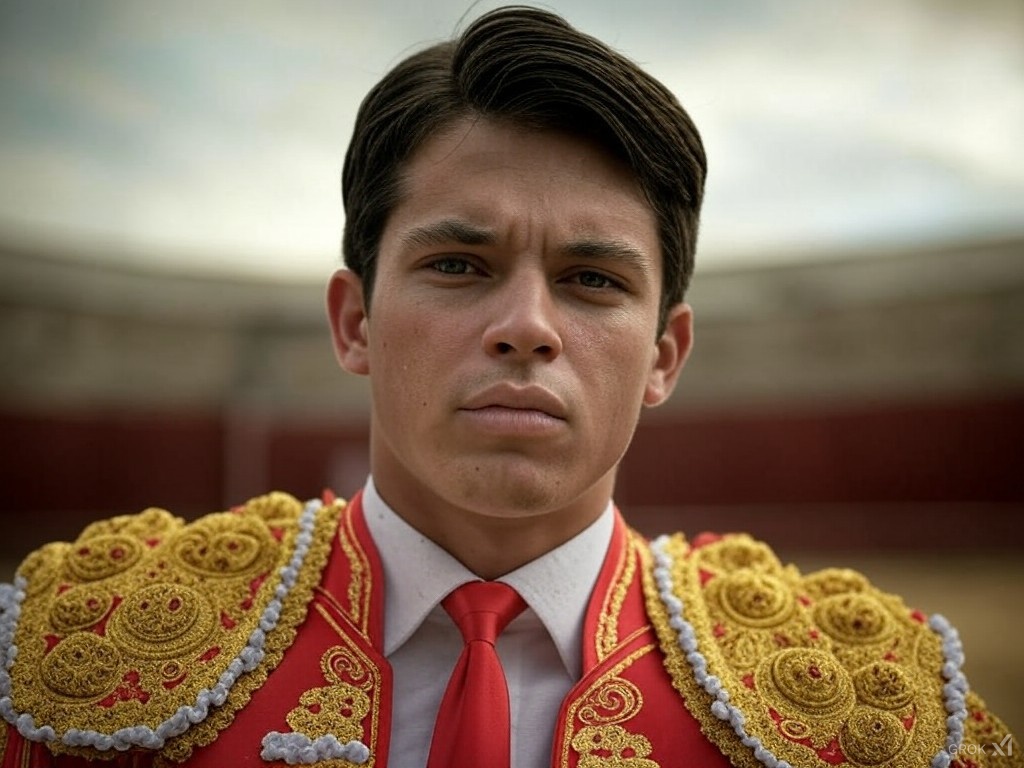
But make no mistake, the matador is not just a killer. His role is far more complex and artistic. The term has evolved to refer to a true artist of the ring, a master of an ancestral art.
Historical evolution of the matador’s role
The matador’s role has changed considerably over the centuries. Originally, killing the bull was reserved for noblemen on horseback. It was in the 18th century that the matador on foot, as we know him today, appeared.
Juan Belmonte, considered one of the greatest matadors in history, revolutionised the art in the early 20th century. He introduced a style that was closer to the bull, riskier but also more aesthetic.
Today, the matador is at once an athlete, an artist and a powerful cultural symbol. His role extends far beyond the ring and into the collective imagination.
The matador’s role and responsibilities
The physical and mental preparation required
Being a matador is not just about putting on a glittering costume and waving a cape. It is a real commitment that demands intense preparation, both physical and mental.
Physically, the matador must be in excellent shape. He trains every day, working on his flexibility, endurance and strength. Imagine lasting several hours in the ring under a blazing sun, all while performing precise, rapid movements!
Mentally, it is just as demanding. The matador needs nerves of steel to face a bull weighing several hundred kilos. Concentration is paramount: a moment’s inattention can be fatal.
The stages of a typical corrida
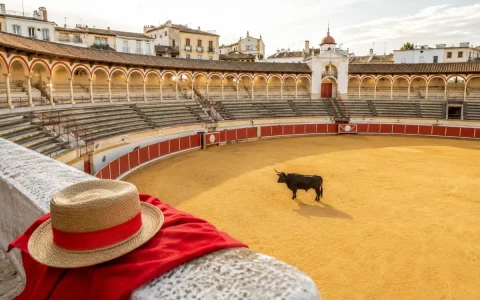
A corrida takes place in three acts, called “tercios”. The matador plays a crucial role in each of them.
The first tercio is that of the pics. The matador watches the bull to understand its behaviour. He performs his first passes with the cape, already showing his style and mastery.
The second tercio is that of the banderillas. Although it is not usually the matador who places them, he remains attentive and mentally prepares for the final phase.
The last tercio, the faena, is when the matador truly shines. This is where he displays his full art with the muleta (the famous red cape) before moving on to the final estocada.
Matadors’ training and education
Learning at a bullfighting school
Perhaps you think matadors are born, not made? Think again! It is a long apprenticeship that often begins at a very young age in bullfighting schools.
These schools, such as the prestigious Real Maestranza de Caballería de Ronda, teach every aspect of bullfighting. Pupils learn the basic techniques and the history of the corrida, but also ethics and respect for the animal.
The training is gradual. It starts with exercises without a bull, then moves on to calves, before facing real bulls. It is a demanding path that can take several years.
Mentoring and experience in the ring
Learning is not confined to the classroom. Mentoring plays a crucial role in a matador’s training. Young hopefuls, known as “novilleros”, are often taken under the wing of experienced matadors.
These mentors pass on their know-how and their tricks of the trade, but also their philosophy of bullfighting. A strong, almost filial bond is formed.
Experience in the ring is also essential. Future matadors take part in novilladas, corridas for beginners, where they can put what they have learnt into practice against real bulls, though ones less dangerous than those of professional corridas.
An ancestral art that endures
As you now know, the matador is much more than just a man in the ring. He is an artist, an athlete and a powerful cultural symbol. His role goes far beyond killing the bull. He embodies a centuries-old tradition, an art handed down from generation to generation.
Training to be a matador is a long and demanding journey. From the bullfighting schools to the bullrings, each stage forges the character and hones the skills of these extraordinary men. I was lucky enough to attend a training session in Seville. The grace and precision of the movements left me speechless.
The corrida, with the matador at its heart, continues to fascinate and divide. It raises questions about our relationship with tradition, art and nature. Whether you are an aficionado or simply curious, I hope this article has helped you better understand what the man in the corrida is called and what his crucial role is. The next time you hear about the corrida, you will have everything you need to appreciate the complexity of this ancestral art.