Bullfighting has fascinated and intrigued people for centuries. Among its most mysterious traditions is the indulto, the pardon granted to exceptional bulls. You have no doubt wondered why a fighting bull is pardoned. Today I reveal the secrets of this rare and symbolic ritual. You will discover the surprising criteria and unexpected ceremonies surrounding the pardon of a bull in the ring. Let’s go behind the scenes together of this fascinating tradition, which reveals all the complexity of the art of bullfighting.
Criteria for pardoning a fighting bull
The bull’s bravery and nobility
You are probably wondering what exceptional qualities a bull must have to escape its tragic fate in the ring. Bravery and nobility are the two main criteria for a toro to be pardoned.
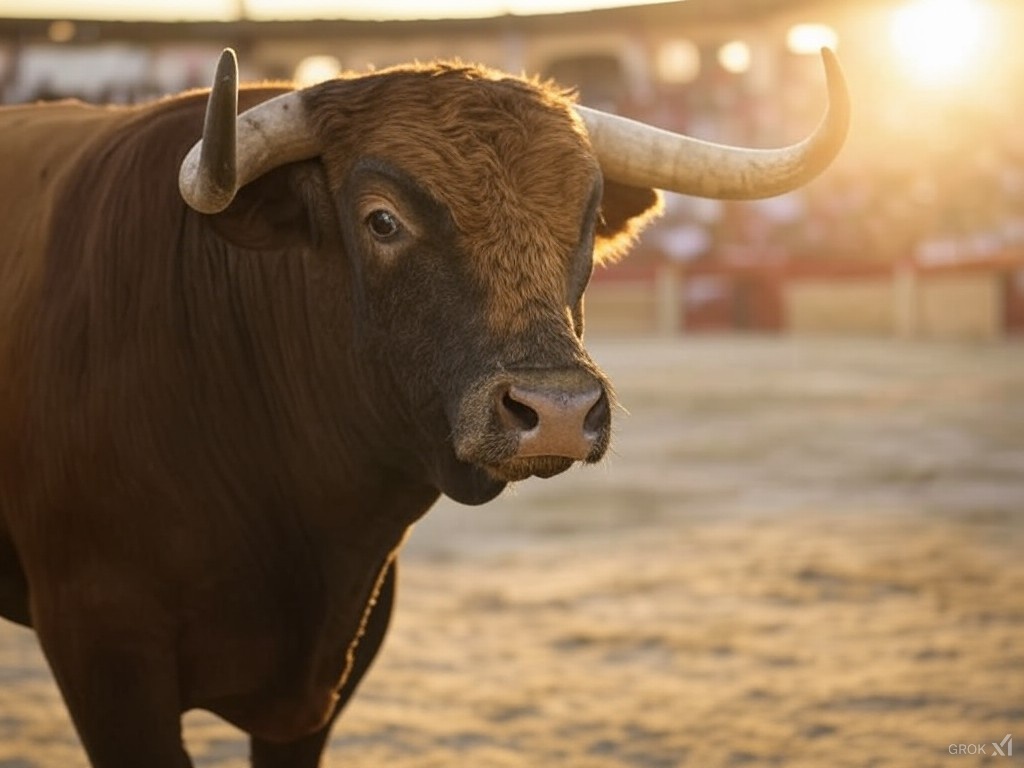
A brave bull charges without hesitation, with determination and power. It never backs away from the torero and keeps up its aggression throughout the fight. I once attended a corrida where an impressive bull charged more than 20 times without weakening. The crowd was on the edge of their seats!
Nobility, for its part, shows itself in frank and honest behaviour. The bull naturally follows the movements of the cape without trying to catch the torero out. It keeps its head up and steady, allowing elegant, flowing passes.
Specific and rare conditions
Beyond these qualities, other conditions must be met for an indulto to be considered. The bull must come from a prestigious ganadería and fight in a first-category bullring.
The simulated kill must also be performed perfectly by the matador. I saw a torero botch his estocada during a potential indulto, ruining the bull’s chances of a pardon.
Finally, the public plays a crucial role. Its enthusiasm and repeated requests are essential to persuade the president to grant the pardon.
The role of the public in pardoning the bull
Requests and the agreement required
You may not know it, but the public has immense power during an indulto. Its role goes far beyond simple applause.
When an exceptional bull comes out, the aficionados wave white handkerchiefs to ask for its pardon. This display must be massive and unanimous to be taken into account.
The matador himself must approve the public’s request. I attended a corrida where the torero refused the pardon, preferring to kill a bull he considered dangerous despite the crowd’s enthusiasm.
Involvement of the participants
It is not only the spectators who are involved. The ganadero (breeder) must also give his consent. It is rare for a breeder to oppose the pardon of one of his bulls, but it can happen if he feels the animal does not live up to his reputation.
The bullfighting authorities present, particularly the president of the corrida, have the last word. They assess all the criteria before making their decision.
The importance of top-category bullrings
You may think that any exceptional bull can be pardoned, wherever it fights. Think again! The indulto is only possible in first-category bullrings.
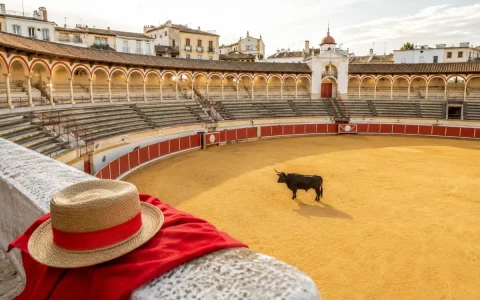
These prestigious rings, such as Las Ventas in Madrid or the Maestranza in Seville, are of paramount importance. They host the best toreros and the most renowned bulls.
I once attended a corrida in a small village bullring where an extraordinary bull fought. Despite the public’s requests, a pardon was impossible because of the ring’s status.
The category of the bullring guarantees a high level of demand and gives the indulto more weight. A bull pardoned in these conditions becomes a true legend.
The symbolic procedure for the indulto
The ritual of the orange handkerchief
The moment of the indulto is charged with powerful symbols. When the president decides to pardon the bull, he waves an orange handkerchief. This gesture is greeted by an explosion of joy in the stands.
The orange handkerchief is an instantly recognisable visual code. It contrasts with the white handkerchief used to award the usual trophies such as the ears or the tail.
The mock kill
After the orange handkerchief, the matador performs a mock kill. He positions his muleta (red cape) as if he were about to deliver the final estocada, but does not plunge in the sword.
This symbolic gesture marks the end of the fight and the bull’s triumph. I have seen emotional toreros shed a tear at that moment, moved by the nobility of the animal they had just faced.
The consequences of the bull’s pardon
Care after the corrida
Contrary to what you might think, the indulto is not the end of the story for the pardoned bull. It immediately receives intensive care to treat its wounds.
A veterinary team steps in as soon as it leaves the ring. The wounds are disinfected and stitched. The bull is given antibiotics and anti-inflammatories to prevent infection.
I was lucky enough to visit a bullring infirmary. The attention paid to pardoned bulls impressed me. They are treated like true champions.
Its future role as a stud bull
Once recovered, the pardoned bull becomes a prized stud. Its exceptional genes are valuable for improving the breed.
Breeders hope its offspring will inherit its bravery and nobility. A single pardoned bull can influence an entire bloodline.
The rare symbolism of the indulto in corridas
The indulto is an extremely rare event. Out of the thousands of bulls fought every year, only a handful are pardoned. This rarity reinforces the exceptional nature of the pardon.
The symbolism is powerful: life triumphs over death, beauty prevails over violence. It is a moment of union between the public, the torero and the animal.
I have attended several hundred corridas, but have seen only a handful of indultos. Each time, the emotion in the ring was palpable.
Impact on the breed and the casta of the bulls
The indulto has a significant impact on the breeding of fighting bulls. Pardoned bulls become sought-after studs, influencing the genetics of future generations.
Breeders seek to reproduce the exceptional qualities that earned these bulls their pardon. This contributes to the constant improvement of the breed.
I have visited several ganaderías (ranches) where the offspring of pardoned bulls were showcased. The breeders’ pride was obvious when they spoke of these prestigious bloodlines.
The legacy of a pardoned toro
As you will have gathered, the pardon of a fighting bull is an exceptional event, charged with emotion and symbolism. I have been lucky enough to witness several indultos in my life, and I can assure you that the atmosphere in the ring is indescribable. The crowd holds its breath, the white handkerchiefs wave frantically, and the tension is palpable until the saving orange handkerchief appears.
But why is a fighting bull pardoned? Beyond the technical criteria we have explored, it is above all a recognition of the animal’s greatness. Its bravery and nobility transcend the spectacle, reminding every spectator of the raw beauty of nature. I have seen hardened aficionados shed tears at the pardon of an exceptional bull.
The impact of an indulto goes far beyond the ring. The pardoned bull becomes a living legend, a prized stud whose genes will shape future generations. I have visited ranches where the offspring of an indultado toro were treated like treasures. The legacy of these exceptional bulls thus lives on, contributing to the evolution and constant improvement of the breed.
Ultimately, the pardon of a bull reminds us that bullfighting, beyond the spectacle, is a celebration of life at its most noble and courageous. It invites us to reflect on our relationship with nature and animals. The next time you attend a corrida, perhaps you will be lucky enough to experience that rare and intense moment that is an indulto. You will then understand why this tradition continues to fascinate and move millions of people around the world.