Under a Mexican sky heavy with history and passion, a new page of cultural resistance was written this Thursday. Hundreds of them – bullfighting aficionados, breeders, craftsmen and defenders of rural traditions – gathered to make their voices heard against the threats hanging over their cultural heritage. To Clara Brugada, the new head of government of Mexico City, the message was clear: “Traditions are not a fashion or a capricho, they are the soul of our villages.”
Rural Mexico united in defence of its identity
The demonstration, impressive in its diversity, brought together far more than corrida fans. A whole rural Mexico mobilised: cattle breeders, leather craftsmen, makers of traditional costumes, mariachi musicians and representatives of indigenous communities. A united front to defend what they regard as the beating heart of their national identity.
The demonstration comes amid a tense context, as Clara Brugada’s administration appears determined to pursue a restrictive policy towards certain traditional practices, including bullfighting. A direction the demonstrators see as a direct attack on their way of life.
Bullfighting, a living heritage under threat
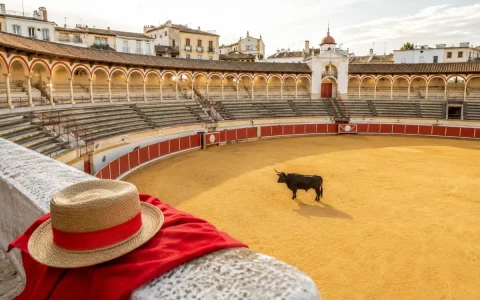
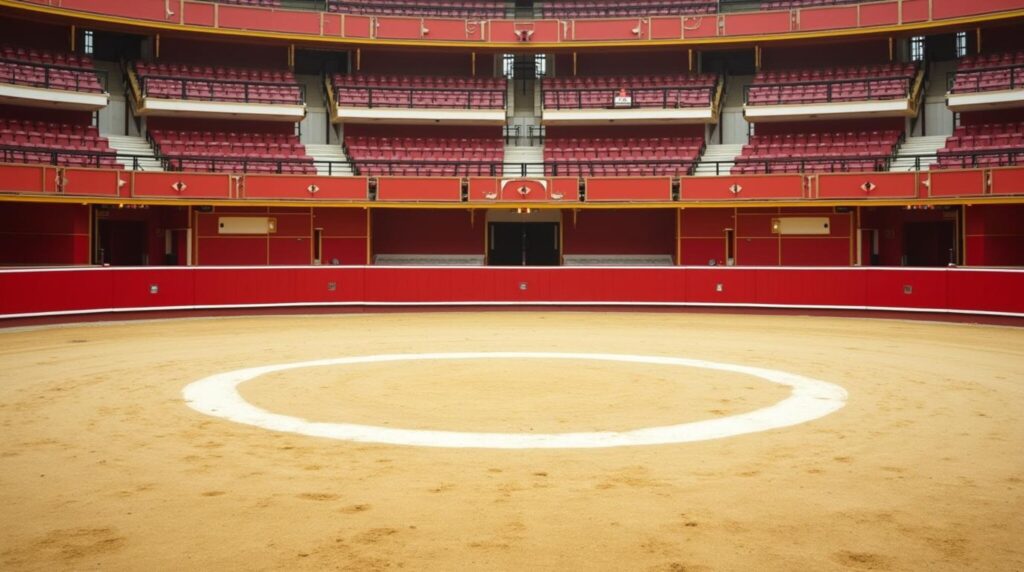
At the centre of concerns: the Plaza México, the largest bullring in the world, a symbol of the country’s deep attachment to this centuries-old art. Closed for several months following controversial court rulings, its future remains uncertain.
“The corrida is not just a spectacle, it’s a whole economic and cultural ecosystem”, explained a bull breeder at the demonstration. Indeed, Mexican bullfighting directly or indirectly supports nearly 80,000 families across the country, according to figures put forward by the sector’s professional associations.
But beyond the figures, what is at stake is a tradition rooted in Mexican history for more than 500 years. The fiesta brava, as it is known locally, is closely tied to the patron saint festivals of many villages and is a pillar of social life in rural areas.
A rift between Mexico City and its countryside
This demonstration highlights a growing rift between the capital and the country’s rural areas. On one side, a Mexico City increasingly influenced by international movements advocating the abolition of certain traditional practices; on the other, a rural Mexico attached to its roots and worried about seeing its cultural heritage diluted.
“There is a total disconnect between urban decision-makers and the reality of our villages”, lamented a representative of rural communities. “A world view is being imposed on us that takes no account of our history or our values.”
This tension is part of a wider debate on Mexico’s cultural sovereignty and the right of communities to preserve their traditions in the face of what they perceive as Western cultural imperialism.
A fight that goes beyond borders
The resistance movement taking shape in Mexico echoes similar situations in other bullfighting countries such as Spain, France and Colombia. Everywhere, defenders of bullfighting and rural traditions are mobilising against growing pressure from animal rights movements and restrictive legislation.
What is happening in Mexico could well have repercussions on the future of many popular traditions around the world. For beyond the corrida, it is the fundamental question of the right to cultural diversity that is being raised.
As the demonstrators dispersed through the streets of Mexico City this Thursday, one question hung in the air: how far will this resistance from rural Mexico go? The answer perhaps lies less with politicians than with the new generation of Mexicans, torn between globalised modernity and attachment to the deep roots of a country where, as an old local saying murmurs, “traditions do not die, they transform”.